On January 1, 1863 — the first day the Homestead Act took effect — Daniel Freeman filed the first claim in the country: 160 acres four miles west of Beatrice. The act would move more than 270 million acres from the public domain into private hands, roughly ten percent of the entire United States, and reshape immigration, agriculture, and the dispossession of Native nations. This park tells that whole story, not the cleaned-up version.
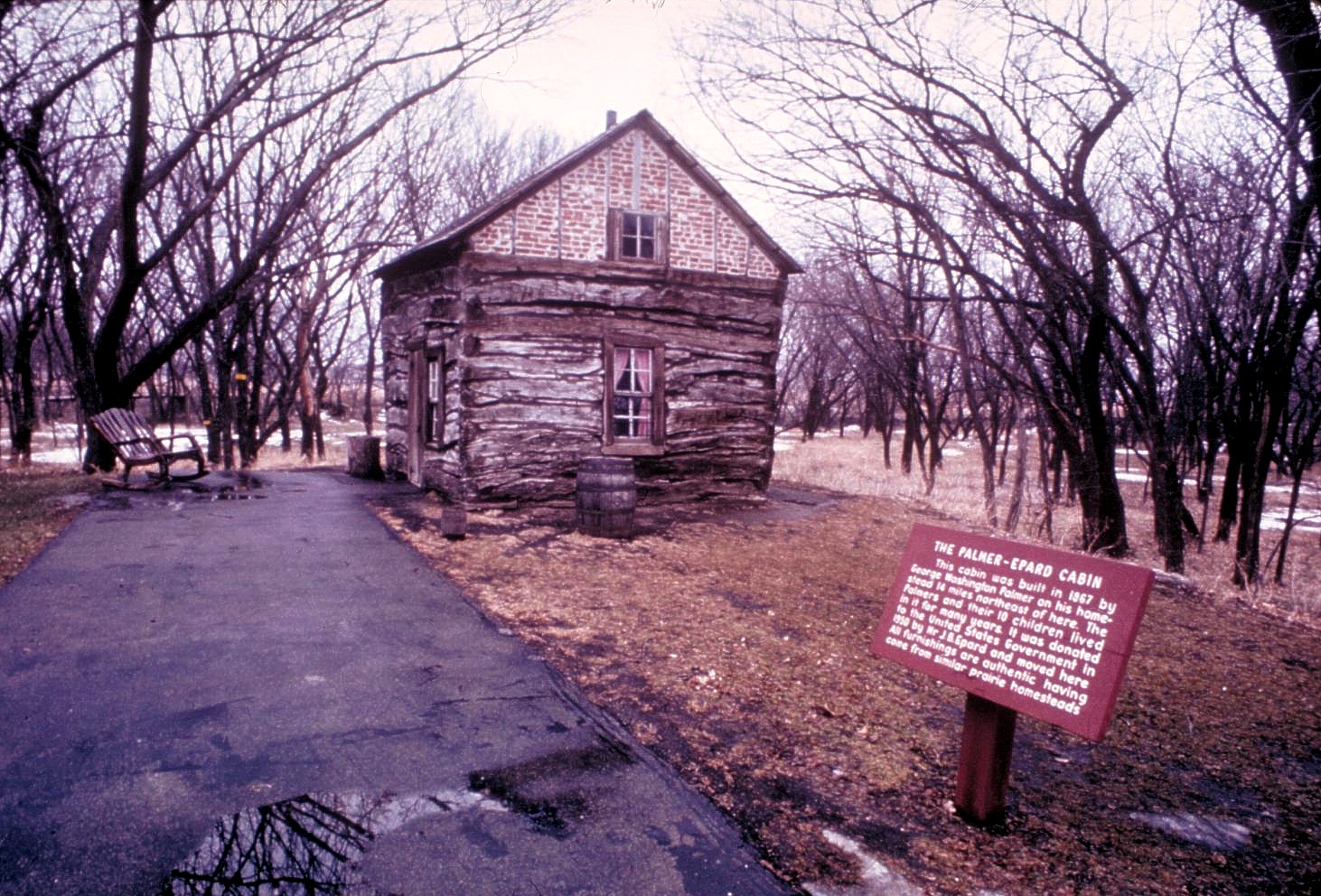
The Heritage Center’s interactive exhibits cover the act’s impact on the prairie ecosystem, immigration, industrialization, and Native tribes, with a Living Wall outside showing what percentage of each state was actually claimed. Nearly three miles of trails cross the prairie restoration — begun in 1939, the oldest in the National Park System — plus woodlands and a creek. The 1867 Palmer-Epard cabin and the Freeman School (a one-room schoolhouse that operated 1872-1967, visit by request) put the homesteader life in physical terms.
Free admission, wheelchair-accessible paths, and a quiet local gem: the park’s computers let visitors research their own ancestors’ homestead records — rangers help, and it’s one of the most personal experiences any NPS site offers. Open daily except Thanksgiving, Christmas, and New Year’s Day.